The Destination Indian Wedding Playbook: From Resort Buyouts to Cultural Integration
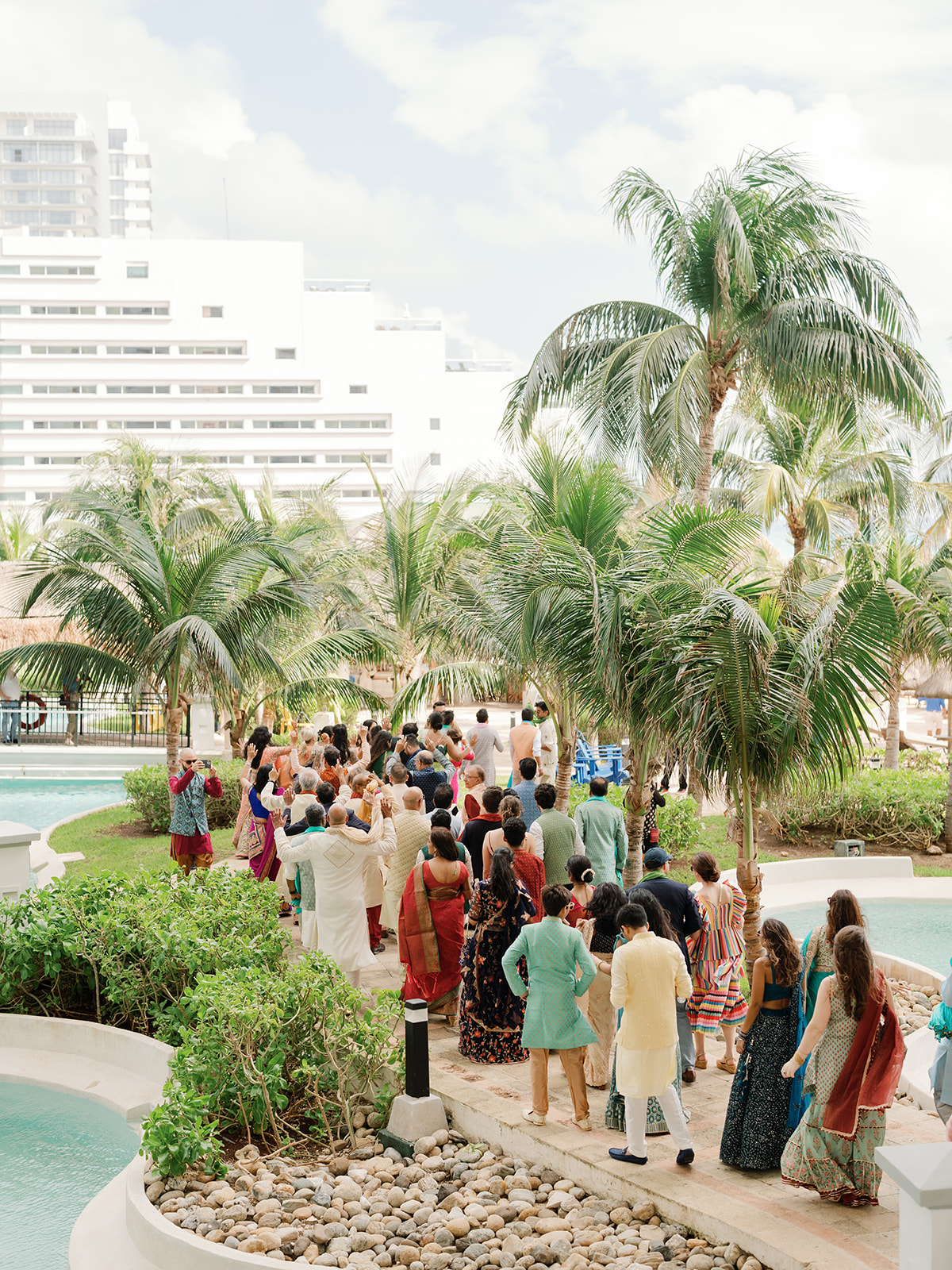
As a Florida-based planning firm, nearly 80% of our couples live outside the state. That means we’ve mastered the art of planning destination weddings – from Mexico to the Caribbean to luxury resorts across the U.S. and beyond.
Destination weddings come with their own rhythm. They require layered logistics, nuanced communication, and deep consideration for the guest experience. Flights, customs, time zones, weather patterns, and cultural protocols – it’s a lot to manage without structure.
Whether you’re planning in Florida, Mexico, or an international locale, here are the playbook principles we live by when guiding couples through destination wedding planning: from identifying your ideal location to mapping guest travel, sourcing vendors abroad, and integrating culture with intention.
1. Choosing Your Ideal Location
Finding the right destination can feel overwhelming at first — but it starts to take shape once you define three key factors:
(a) the style and sequence of events you envision,
(b) your approximate guest count, and
(c) the time of year you plan to celebrate.
When we help couples choose a destination, we balance logistics with emotion. Your wedding location should feel aligned with your story, but it also must function for your guest size, weather expectations, and access.
Here’s what to evaluate:
- Weather and Seasonality: Time of year directly impacts your guest experience. For example, we would never suggest an outdoor wedding in Florida during the summer months – it’s humid, unpredictable, and often stormy. Always map out your preferred season and research climate trends. Flexibility with dates opens more possibilities.
- Capacity and Space Planning: If you’re hosting 400–500 guests and dreaming of an Italian villa or a boutique resort, be prepared to discuss tenting, satellite events, or guest rotation strategies. Online capacity charts can be misleading – they don’t account for stages, LED walls, or chandeliers. A planner can help you interpret layouts with accuracy.
- Accessibility and Proximity: Consider where most of your guests are traveling from. Is there a major airport nearby? How long is the ground transfer? If the resort is 90 minutes from the airport, you may need to plan structured arrival experiences, hydration stations, and a staggered transportation schedule. Guest comfort begins the moment they land.
2. Building a Guest Travel Strategy
For destination weddings, your guests’ journey is part of the celebration. When thoughtfully planned, it sets the tone for the entire weekend.
We recommend developing a travel strategy early – ideally 10–12 months out – that covers:
- Flight Patterns and Peak Seasons: Review major airline routes and blackout periods. If you’re eyeing a holiday weekend, expect higher fares and congestion. We often guide families toward shoulder-season travel dates that offer better flight options and pricing.
- Room Block Design: Your resort buyout or room block strategy should reflect your group size, budget tiers, and event footprint. It’s also an opportunity to curate the guest experience — from welcome bags to personalized notes awaiting guests at check-in.
- Hospitality & Wayfinding: Consider communication tools like QR codes for itineraries, WhatsApp groups for day-of updates, and bilingual signage where applicable. The goal is to make your guests feel guided without needing to ask.
3. Vendor Sourcing Abroad
For international weddings, vendor selection becomes both an art and a science. You’ll be blending local expertise with your core creative team.
Here’s how we approach it:
- Local Partnerships: When possible, we collaborate with trusted local vendors for infrastructure, rentals, and floral production. This minimizes import costs and supports sustainability.
- Hybrid Team Model: We often bring in key creative partners – like florist and/or design production specialists, and entertainment – who know our communication flow and standard of delivery, and pair them with vetted in-country teams.
- Compliance and Contracts: International vendor agreements should address customs, power needs, contingency timelines, and insurance. Having a planner who understands destination compliance is non-negotiable.
4. Cultural Integration
Perhaps the most meaningful layer of a destination Indian wedding is cultural integration — ensuring that every tradition is honored authentically while embracing the destination’s natural beauty.
This could mean incorporating regional cuisine alongside traditional fare or selecting local musicians for welcome events.
The key is balance: your culture should feel at home within the destination, not placed on top of it. Thoughtful integration creates emotional resonance for both families and guests — a celebration that feels rooted, not replicated.
Closing Reflection
A destination wedding isn’t just about changing scenery — it’s about creating presence. It invites you and your guests to step away from routine and into shared experience.
The planning process may be layered, but with the right playbook — location strategy, guest flow, vendor sourcing, and cultural depth — every moving part finds its rhythm.
Ready to begin your destination wedding journey with confidence and calm?
Inquire with our team
Precision Planning. Cultural Understanding. Flawless Execution.
Because where you celebrate matters – but how you arrive there matters even more.
